Lemon tree (dwarf) Citrus limon
Lemon tree (dwarf) (Citrus limon) is an evergreen perennial fruit plant in the Rutaceae family. It grows 1.5–3 m (4.9–10 ft) tall and 1.5–2.5 m (4.9–8.2 ft) wide, wants full sun and moderate water, and is hardy to about -2 °C (28 °F). Space plants about 2 m (6.6 ft) apart.
Plan Lemon tree (dwarf) in your garden →
Free. Draw your beds, then watch it grow through the year in 2D and 3D.
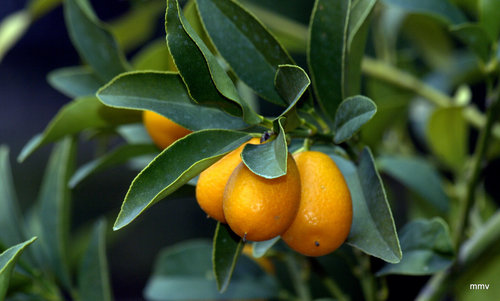
Lemon tree (dwarf) at a glance
| Type | Perennial fruit plant, evergreen |
|---|---|
| Family | Rutaceae |
| Mature height | 1.5–3 m (4.9–10 ft) |
| Mature spread | 1.5–2.5 m (4.9–8.2 ft) |
| Spacing | 2 m (6.6 ft) centre to centre |
| Sun | Full sun, at least 7 h of direct sun a day |
| Water | Moderate; drought tolerance low, waterlogging tolerance none |
| Cold hardiness | About -2 °C (28 °F) once established (roughly USDA zone 9) |
| Heat stress | Likely above about 38 °C (100 °F) |
| Flowering | from about March for 4–9 weeks (northern hemisphere; later in cold climates, earlier in warm ones) |
| Wind tolerance | Low |
| Pollinator value | High |
| Edible | Yes: fruit, zest |
| Common in gardens of | 🇺🇸 United States, 🇧🇷 Brazil, 🇲🇽 Mexico, 🇿🇦 South Africa, 🇦🇺 Australia, 🇹🇭 Thailand, 🇸🇬 Singapore, 🇨🇳 China, 🇮🇳 India, 🇮🇹 Italy, 🇪🇸 Spain, 🇬🇷 Greece, 🇵🇹 Portugal, 🇪🇬 Egypt, 🇲🇦 Morocco, 🇮🇱 Israel, 🇦🇷 Argentina, 🇨🇱 Chile, 🇳🇿 New Zealand |
Is Lemon tree (dwarf) toxic?
- People: not known to be toxic
- Cats: moderately toxic
- Dogs: moderately toxic
- Parts: peel, leaves, essential oils
Citrus oils in peel and leaves can cause vomiting and depression in cats and dogs.
If a child or pet may have eaten part of a plant, call a poison centre or vet straight away.
Companion planting: what to grow with Lemon tree (dwarf)
No well-documented helpful pairing. Group it with plants that like full sun and moderate water.
Keep apart or take care
- caution With Sweet orange: Asian citrus psyllid spreads huanglongbing (citrus greening) between citrus and relatives such as orange jasmine (Murraya). Keep new citrus away from infected or neglected hosts. Evidence B
See Lemon tree (dwarf) in a botanical garden
It grows in these sample gardens, which you can walk through in 3D:
- Missouri Botanical Garden (2 plants)
- Longwood Gardens (4 plants)
Questions about Lemon tree (dwarf)
- How far apart should I plant Lemon tree (dwarf)?
- About 2 m (6.6 ft) apart, centre to centre. A mature plant spreads 1.5–2.5 m (4.9–8.2 ft).
- Does Lemon tree (dwarf) need full sun?
- Full sun: at least 7 hours of direct sun a day.
- How much water does Lemon tree (dwarf) need?
- Moderate water. Drought tolerance is low and waterlogging tolerance none.
- How cold-hardy is Lemon tree (dwarf)?
- It tolerates about -2 °C (28 °F) once established, roughly USDA zone 9.
- When does Lemon tree (dwarf) flower?
- From about March for 4–9 weeks (northern hemisphere; later in cold climates, earlier in warm ones).
- Is Lemon tree (dwarf) poisonous to cats and dogs?
- For cats it is moderately toxic; for dogs moderately toxic; for people not known to be toxic. Citrus oils in peel and leaves can cause vomiting and depression in cats and dogs.
- What grows well with Lemon tree (dwarf)?
- There is no well-documented companion pairing for Lemon tree (dwarf). Group it with plants that like the same sun (full sun) and water (moderate).
Sources and evidence
Evidence grade C (C: plausible, mixed evidence).
- ASPCA Toxic and Non-Toxic Plant List, ASPCA
- FAO Irrigation and Drainage Paper 56 — Crop Evapotranspiration, FAO
- RHS Plant Finder, Royal Horticultural Society
- University extension gardening guides (general), Various land-grant university extensions
Notes and assumptions
- Typical garden-cultivar values; varieties differ.
- Frost-tender; protect below 0 C.
Reference values for planning, not horticultural, veterinary or medical advice. Varieties, soils and local climates differ: check with a local nursery or extension service.
Related plants
- Curry tree Murraya koenigii
- Kaffir lime Citrus hystrix
- Common rue Ruta graveolens
- Sweet orange Citrus x sinensis
- Mandarin orange Citrus reticulata
- Persian lime Citrus x latifolia
- Key lime Citrus x aurantiifolia
- Grapefruit Citrus x paradisi