Anise (aniseed) Pimpinella anisum
Anise (aniseed) (Pimpinella anisum) is an annual herb in the Apiaceae family, native to Eastern Mediterranean and south-western Asia. It grows 30–60 cm (12–24 in) tall and 20–30 cm (8–12 in) wide, wants full sun and low water, and is hardy to about -2 °C (28 °F). Space plants about 20 cm (8 in) apart.
Plan Anise (aniseed) in your garden →
Free. Draw your beds, then watch it grow through the year in 2D and 3D.
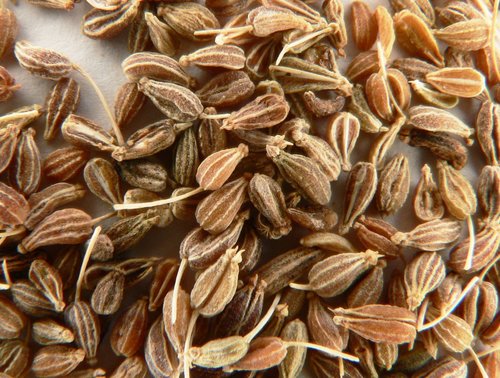
Anise (aniseed) at a glance
| Type | Annual herb |
|---|---|
| Family | Apiaceae |
| Mature height | 30–60 cm (12–24 in) |
| Mature spread | 20–30 cm (8–12 in) |
| Spacing | 20 cm (8 in) centre to centre |
| Sun | Full sun, at least 7 h of direct sun a day |
| Water | Low; drought tolerance moderate, waterlogging tolerance none |
| Soil pH | 6–7.5 |
| Cold hardiness | About -2 °C (28 °F) once established (roughly USDA zone 9) |
| Heat stress | Likely above about 32 °C (90 °F) |
| Flowering | about 10–13 weeks after planting, for 3–4 weeks |
| Days to maturity | About 120 days from planting |
| Wind tolerance | Low |
| Pollinator value | Moderate |
| Edible | Yes: seeds (aniseed), young leaves |
| Native to | Eastern Mediterranean and south-western Asia |
| Common in gardens of | 🇪🇸 Spain, 🇹🇷 Turkey, 🇪🇬 Egypt, 🇬🇷 Greece, 🇮🇷 Iran, 🇮🇳 India, 🇲🇽 Mexico, 🇮🇹 Italy |
Is Anise (aniseed) toxic?
- People: not known to be toxic
- Cats: not known to be toxic
- Dogs: not known to be toxic
Not poisonous; the seeds are a common spice.
If a child or pet may have eaten part of a plant, call a poison centre or vet straight away.
Companion planting: what to grow with Anise (aniseed)
No well-documented helpful pairing. Group it with plants that like full sun and low water.
Questions about Anise (aniseed)
- How far apart should I plant Anise (aniseed)?
- About 20 cm (8 in) apart, centre to centre. A mature plant spreads 20–30 cm (8–12 in).
- Does Anise (aniseed) need full sun?
- Full sun: at least 7 hours of direct sun a day.
- How much water does Anise (aniseed) need?
- Low water. Drought tolerance is moderate and waterlogging tolerance none.
- How cold-hardy is Anise (aniseed)?
- It tolerates about -2 °C (28 °F) once established, roughly USDA zone 9. As an annual it is usually planted out after the last frost.
- When does Anise (aniseed) flower?
- About 10–13 weeks after planting, for 3–4 weeks.
- Is Anise (aniseed) poisonous to cats and dogs?
- For cats it is not known to be toxic; for dogs not known to be toxic; for people not known to be toxic. Not poisonous; the seeds are a common spice.
- What grows well with Anise (aniseed)?
- There is no well-documented companion pairing for Anise (aniseed). Group it with plants that like the same sun (full sun) and water (low).
Sources and evidence
Evidence grade B (B: extension service or peer-reviewed).
- Plants of the World Online (taxonomy, native range), Royal Botanic Gardens, Kew
- EcoCrop crop environmental requirements, FAO
- Plants For A Future database, PFAF
Notes and assumptions
- Sow in place in spring (it resents moving); seed ripens about four months later. The flavour of ouzo, rakı, pastis and anisette.
Reference values for planning, not horticultural, veterinary or medical advice. Varieties, soils and local climates differ: check with a local nursery or extension service.
Related plants
- Carrot Daucus carota subsp. sativus
- Parsley Petroselinum crispum
- Celery Apium graveolens
- Coriander (cilantro) Coriandrum sativum
- Dill Anethum graveolens
- Parsnip Pastinaca sativa
- Celeriac Apium graveolens var. rapaceum
- Florence fennel Foeniculum vulgare var. azoricum